Introduction
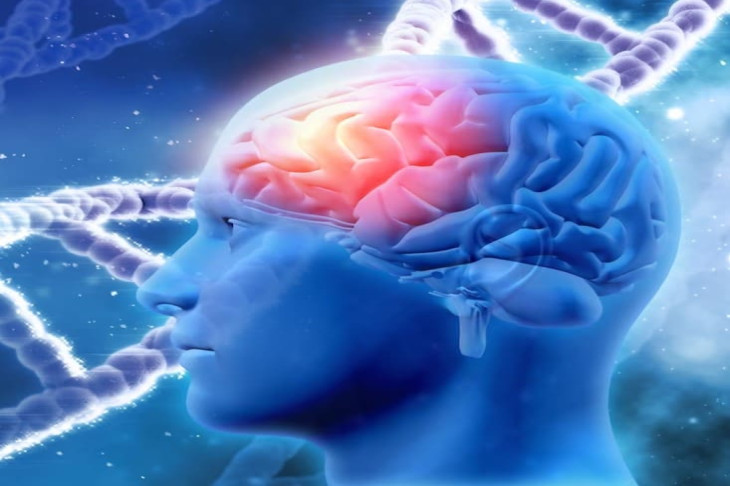
Within a medical facility, the Department of Neurology is a specialty section devoted to the diagnosis, treatment, and management of neurological illnesses. The area of medicine known as neurology treats conditions relating to the nervous system, which includes the muscles, brain, spinal cord, and peripheral nerves.
This division is essential to the holistic treatment of patients suffering from a variety of neurological diseases, from basic ailments like migraines to complicated illnesses like multiple sclerosis radiology and Parkinson's disease treatment
Core Functions
Diagnosis and Evaluation : Diagnosing neurological disorders are the Department of Neurology's main responsibility. This involves a comprehensive assessment procedure that includes gathering information about the patient's medical history, doing physical and neurological exams, and using advanced diagnostic equipment. To identify the root source of symptoms, methods including lumbar punctures, electroencephalography (EEG), computed tomography (CT) scans, and magnetic resonance imaging (MRI) are often used.
Treatment and Management : After a diagnosis is determined, the department offers specialized treatment programmes meant to control and lessen symptoms. Physical therapy in Germany, lifestyle changes, pharmaceutical management, and, in some situations, surgical procedures are possible forms of treatment. To guarantee that patients get the most advanced and successful treatments possible, the department places a high priority on evidence-based approaches.
Research and Innovation : The Department of Neurology often conducts research with the goal of expanding knowledge about neurological conditions and creating new methods of therapy. treatment in germany and management of neurological diseases may advance as a result of this study. The department's dedication to improve the health of patients includes working with research institutes and taking part in clinical studies.
Education and Training : One of the department's most important responsibilities is teaching upcoming neurologists and continuing experienced specialists. The department makes sure that practitioners are knowledgeable about the most recent developments and optimal practices in neurology via residency programmes, fellowships, and continuing medical education (CME) courses.
Common Neurological Disorders Treated
Stroke : Neurological disorders can be one of the main causes for a stroke, which calls for quick treatment. The acute care services offered by the Department of Neurology include thrombolysis and other procedures aimed at minimizing brain injury and restoring blood flow. Services for post-Stroke rehabilitation are offered to aid in the recovery and return of patients to their independence.
Epilepsy : The hallmark of epilepsy is recurring seizures brought on by aberrant brain electrical activity. Electronic brain waves (EEG) are used by the department to diagnose problems and make personalized treatment plans. These plans may include antipsychotic drugs and surgery for cases that don't respond to other treatments.
Multiple Sclerosis (MS) : Central nervous system that is affected by a chronic autoimmune disease is called MS. To enhance the quality of life for MS patients, the department offers comprehensive treatment that includes disease-modifying medications, symptom management, and rehabilitation programs.
Parkinson’s Disease : A progressive neurodegenerative disorder that impacts movement control is Parkinson's disease. The department offers treatments aimed at managing symptoms and slowing disease progression, including medications, deep brain stimulation, and physical therapy.
Alzheimer’s Disease and Dementia : Cognitive disorders such as Alzheimer’s disease are increasingly prevalent in aging populations. The department focuses on early diagnosis, management strategies, and support services to address cognitive decline and enhance patient and caregiver quality of life.
Diagnostic and Therapeutic Technologies
Neuroimaging : Advanced Neuroimaging techniques, such as MRI and CT scans, provide detailed images of the brain and spinal cord, aiding in the diagnosis of various neurological conditions.Functional imaging, like PET scans, can assess brain activity and metabolism, contributing to a better understanding of certain disorders.
Electrophysiology: Electroencephalography (EEG) and electromyography (EMG) are essential tools for evaluating electrical activity in the brain and muscles, respectively. These tests are crucial for diagnosing Epilepsy, neuromuscular disorders, and other conditions.
Neuropsychological Testing : Neuropsychological assessments are used to evaluate cognitive functions, such as memory, attention, and problem-solving abilities. These tests help diagnose and monitor mental health conditions and guide treatment planning.
Patient Care and Support
Multidisciplinary Approach: The Department of Neurology often collaborates with other specialties, such as Neurosurgery, rehabilitation medicine, and psychiatry, to provide holistic care. This multidisciplinary approach ensures that all aspects of a patient’s condition are addressed, enhancing overall treatment effectiveness.
Patient Education: Educating patients and their families about neurological conditions, treatment options, and self-management strategies is a key component of care. The department provides resources, support groups, and counseling to empower patients and improve adherence to treatment plans.
Support Services : Comprehensive care involves not only Medical Treatment in Germany but also addressing the emotional and psychological impact of neurological disorders. Support services may include counseling, social work, and connections to community resources to assist patients and their families.
Challenges and Future Directions
The field of neurology faces several challenges, including the complexity of neurological disorders, the need for personalized treatment approaches, and the ongoing need for research to uncover new therapies. As the population ages and the prevalence of neurological conditions increases, the demand for specialized neurological care will continue to grow.
Future directions for the Department of Neurology include advancing personalized medicine through genetic and biomarker research, improving access to care through telemedicine and digital health technologies, and fostering interdisciplinary collaborations to enhance patient outcomes.
👉 Contact us for furtherinformation and receive a complimentary consultation.
Related videos
Frequently asked questions
The Department of Neurology handles a wide array of neurological conditions, including stroke, epilepsy, multiple sclerosis (MS), Parkinson’s disease, Alzheimer’s disease, migraines, peripheral neuropathy, and neuromuscular disorders like ALS. They provide specialized care for acute and chronic nervous system issues.
Standard diagnostic tests include Magnetic Resonance Imaging (MRI) for detailed brain and spinal cord images, Computed Tomography (CT) scans for detecting acute changes, Electroencephalograms (EEGs) for monitoring brain electrical activity, Electromyography (EMG) and Nerve Conduction Studies (NCS) for assessing muscle and nerve function, and lumbar punctures for cerebrospinal fluid analysis.
Epilepsy treatment typically involves anti-seizure medications, lifestyle adjustments to avoid triggers, and possibly surgical interventions or dietary therapies like the ketogenic diet if medications are ineffective.
Neurologists manage these chronic conditions by prescribing and adjusting medications, monitoring disease progression, providing symptom management, coordinating with other healthcare professionals for comprehensive care, and educating patients and families about the condition and treatment options.
Prepare by gathering relevant medical records, noting your neurofibromatosis symptoms and any possible triggers, listing all current medications, writing down any questions or concerns, and considering bringing a support person for additional help and information.
Quick contact
Tell us about your case and we will connect you with the right specialists for Neurology.